Cancer treatment is often a very difficult procedure to go through, physically as well as mentally. Along with the patient, families also go through a tough time. In such cases, multidisciplinary care offers an effective and more impactful treatment procedure. There are reports to understand, treatment options to consider, and multiple medical opinions that often need careful evaluation. In such moments, clear guidance and coordinated care become especially important.
The national capital is known for its top-notch medical care regarding cancer. Cancer treatment in Delhi today follows a collaborative approach, where multiple specialists review each case together before deciding on a treatment plan. This helps ensure that decisions are not made in isolation, but are carefully aligned with the patient’s condition, overall health, and treatment needs. As a result, patients receive a more structured and informed care pathway.
What is Multidisciplinary Care in Cancer Treatment?
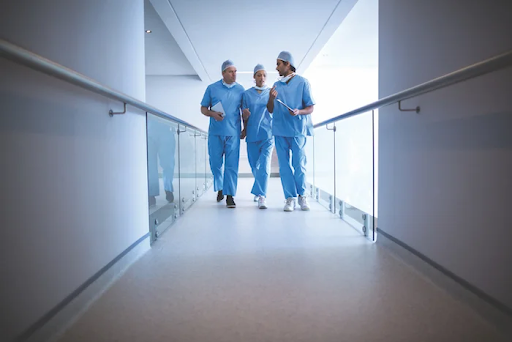
Multidisciplinary care means that doctors from different specialities work together to plan a patient’s treatment. Instead of relying on a single opinion, the case is reviewed collectively so that every aspect of the condition is understood before decisions are made.
A multidisciplinary team may include specialists such as:
- Medical oncologists plan and manage drug-based treatments.
- Surgical oncologists perform tumour removal procedures.
- Radiation oncologists design targeted radiation therapy.
- Radiologists and pathologists study scans and test results.
Each specialist brings their own expertise to the discussion. Together, they review reports, evaluate possible treatment options, and decide on a treatment plan that best suits the patient’s condition and overall health. This coordinated approach helps ensure that care is well-aligned and more structured for the patient.
How Multidisciplinary Teams Improve Treatment Planning
Cancer treatment often involves more than one type of therapy, such as surgery, medication, or radiation. A multidisciplinary team helps bring these different aspects of care together in a coordinated way so that the patient receives a well-planned treatment approach.
Doctors often come together in joint discussions, sometimes referred to as tumour boards, to carefully review each case. During these discussions, they:
- Review diagnostic reports in detail
- Compare suitable treatment options
- Consider possible risks and expected outcomes
By discussing the case together, doctors can form a clearer, more balanced understanding of the patient’s condition. This also helps adjust the treatment plan as needed based on the patient’s response over time.
Importance of Early Diagnosis and Coordinated Evaluation
Early diagnosis can make a meaningful difference in how cancer is managed. When the condition is identified at an early stage, treatment planning becomes more focused and effective. Multidisciplinary teams play an important role at this stage by ensuring that different specialists contribute their insights from the beginning of the evaluation process.
In many cases related to Cancer Treatment in Delhi, radiologists and pathologists study imaging scans and lab reports. Oncologists then review these findings to guide treatment decisions. When multiple experts assess the same information together, it helps build a clearer and more accurate understanding of the condition. In complex cases such as breast cancer or brain tumours, this coordinated approach also ensures timely attention and smoother planning of care, supported by specialised teams across hospitals in Delhi.
Patient-Centred Benefits of Multidisciplinary Care
Multidisciplinary care is not only about medical decisions. It also focuses on the patient’s overall experience. When specialists work together, care becomes more consistent and easier to understand.
Some key benefits include:
- Treatment plans based on individual needs
- Better management of side effects during treatment
- Regular monitoring and follow-up support
- Clear communication between doctors and patients
This approach also offers reassurance to patients and families. When multiple experts are involved, it builds confidence in the treatment process. It also reduces confusion and helps patients better understand their care journey.
Relevance of Multidisciplinary Cancer Care in Delhi
Delhi has become an important centre for advanced medical care. It offers access to experienced doctors, specialised departments, and modern diagnostic facilities. This supports the growth of multidisciplinary cancer care in the city.
Many hospitals in Delhi bring specialists together under one roof. This helps patients receive coordinated care without having to visit multiple places. It can make the treatment journey easier and less stressful. The demand for cancer treatment in Delhi continues to grow, not only from local patients but also from people across different regions. Patients benefit from timely diagnosis, clearer treatment planning, and access to experienced medical teams.
Conclusion
Multidisciplinary care is now an important part of modern cancer treatment. It brings together specialists from different fields to plan care in a more complete and balanced way. This helps improve diagnosis and supports better treatment decisions. It also makes the patient experience more coordinated and clear.
In Delhi, advanced healthcare facilities and experienced medical teams have strengthened this approach. Patients seeking cancer treatment in Delhi receive coordinated care that focuses on both medical needs and overall well-being. Early consultation and expert evaluation can support more informed decisions and a smoother treatment journey.