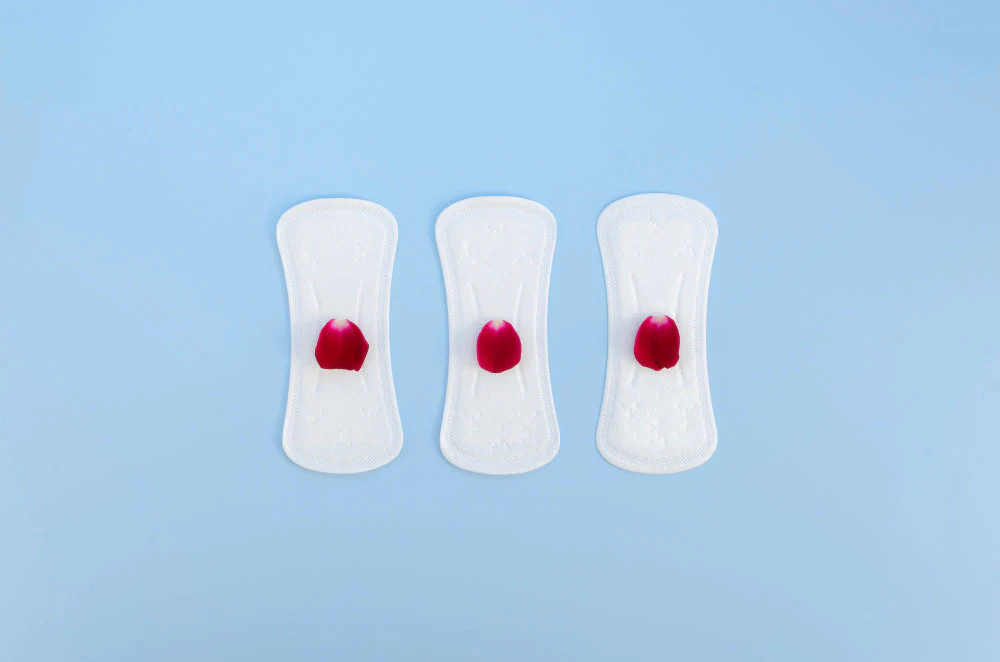
Finding the best period pads for teens can feel confusing, especially during those first few cycles. Comfort matters just as much as protection, because no one wants to sit in class worrying about leaks.
The right pad should feel soft, secure, and easy to wear throughout the day. Teens need options that fit their bodies properly while offering reliable absorbency. With the right choice, periods can feel a lot less stressful and much more manageable.
Choosing the Right Pad Size for Teens
Picking the right sanitary pads size is important because teens’ bodies are still developing. A pad that is too long or too bulky can feel uncomfortable and distracting. Smaller or teen-specific sizes often provide a better fit and stay in place more easily.
It’s also helpful to consider flow level when choosing size. The right fit gives confidence and makes daily activities feel normal.
What Makes a Pad Comfortable for School Hours?
Comfort during school hours means the pad should feel soft, secure, and barely noticeable. Teens sit for long periods, so the material should not cause itching or rubbing. A flexible design that moves with the body makes a big difference.
Breathable layers also help prevent sweating and irritation. When a pad feels comfortable, it’s easier to focus on school instead of discomfort.
Day Pads vs Night Pads for Teenagers
Day pads are usually lighter and designed for movement throughout the day. Night pads are longer and offer extra coverage to prevent leaks while sleeping. Teens may need different types depending on the time of day and flow.
Using a night pad during heavy days can provide extra reassurance. Choosing the right type helps avoid unexpected stains and stress.
Thin Pads vs Thick Pads
Thin pads are discreet and comfortable under school uniforms or tight clothing. They can still provide strong absorption without feeling bulky. Thick pads may offer more cushioning and are sometimes preferred on heavy days.
The choice depends on personal comfort and flow intensity. Trying both options can help teens figure out what feels best.
Wings or No Wings: Which Is Better?
Pads with wings wrap around the sides of underwear to keep the pad securely in place. This design can reduce shifting and prevent side leaks. Pads without wings may feel simpler and quicker to change.
Some teens prefer wings for extra security, especially during active days. It often comes down to personal preference and lifestyle.
Absorbency Levels for Different Flow Days
Periods are not the same every day, so absorbency levels matter. Light flow days require less absorbent pads, while heavy days need stronger protection. Using the wrong absorbency can lead to leaks or discomfort.
Teens should learn to adjust their pad choice as their cycle changes. Matching absorbency to flow helps maintain comfort and confidence.
Materials That Feel Soft on Young Skin
Soft materials are especially important for teens with sensitive skin. Cotton or cotton-like top layers often feel gentler and reduce irritation. Rough or heavily scented pads can cause itching or redness.
Breathable fabrics also help keep the area dry and comfortable. Choosing skin-friendly materials can make periods much easier to manage.
How to Prevent Leaks at School
Preventing leaks starts with choosing the right absorbency and size. Changing pads regularly during breaks helps maintain protection. Wearing well-fitted underwear can also keep the pad secure.
Keeping a spare pad in a backpack ensures you’re always prepared. Small steps like these can prevent embarrassing moments and boost confidence.
How Often Should Teens Change Pads?
Teens should generally change their pads every four to six hours. On heavier days, changing more frequently may be necessary.
Waiting too long can cause leaks and discomfort. Regular changes also help maintain hygiene and reduce odor. Building this habit early supports healthier period care.
Tips for First-Time Period Users
For first-time users, staying calm and informed makes everything easier. Keeping a small period kit with pads and extra underwear can provide reassurance. Tracking cycles can help teens prepare ahead of time.
Talking openly with a trusted adult can answer many questions. With the right guidance, managing a period becomes a normal and manageable part of life.
Conclusion
Choosing the best period pads for teens is all about finding the right balance between comfort and reliable protection. The right pad should feel soft, fit properly, and provide enough absorbency for different flow days.
Simple habits like changing pads regularly and carrying extras can prevent leaks and boost confidence. Every teen’s body is different, so it may take a little trial and error to find the perfect match. With the right choice, periods become less stressful and much easier to handle.