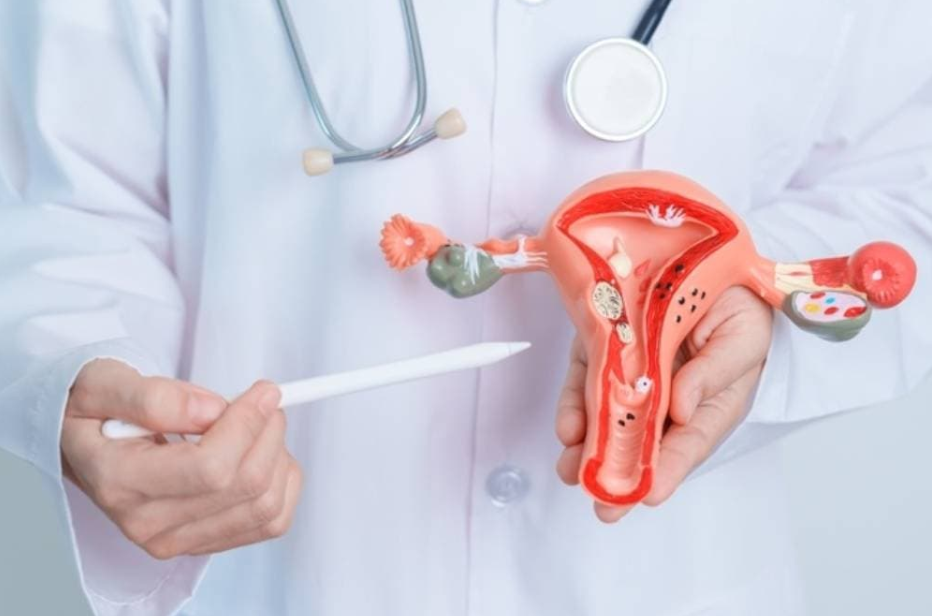
Short answer: yes, women with PCOS can absolutely do IVF, and success rates are often comparable to, or sometimes better than women without PCOS, simply because the ovaries are loaded with follicles waiting to be recruited. But here’s what nobody tells you upfront: the protocol your doctor uses matters more than almost anything else. Get it wrong, and you’re looking at OHSS (ovarian hyperstimulation syndrome), a cancelled cycle, or 30 eggs that produce barely any usable embryos. Get it right, and PCOS can actually be your quiet advantage.
I’ve spent the last couple of years deep in fertility forums, talking to women going through this, and reading more reproductive endocrinology papers than I’d like to admit. So let me walk you through what an IVF stimulation protocol for PCOS actually looks like step by step, drug by drug, instead of the vague “your doctor will customise it” answer you usually get.
Why PCOS changes the IVF playbook
A typical ovary has maybe 5–10 antral follicles at the start of a cycle. A PCOS ovary can have 25, 40, or sometimes more. Drop a standard stimulation dose on that, and the ovaries don’t just respond; they overrespond. You can end up with estradiol levels north of 5,000 pg/mL, fluid shifting into your abdomen, and a hospital admission you didn’t plan for.
So the entire PCOS protocol is built around one principle: get a good number of mature eggs without tipping the body into OHSS.
That changes three things compared to a standard IVF cycle:
- The choice of protocol (almost always antagonist, rarely long agonist)
- The starting dose of gonadotropins (much lower)
- The trigger shot (GnRH agonist instead of hCG, in most cases)
Let’s break each down.
Step 1: Pre-treatment and the metformin question
Before stimulation even starts, most clinics in India will run you through 4–8 weeks of preparation. This usually includes:
- Metformin (500–1500 mg/day) improves insulin sensitivity and, per several meta-analyses, reduces OHSS risk and may improve egg quality
- Inositol supplementation is increasingly standard, with decent evidence for egg quality
- Vitamin D correction if you’re deficient (most PCOS patients are)
- Weight optimisation, if BMI is above 30, even a 5–7% drop, meaningfully improves outcomes
- Birth control pills for 2–4 weeks before the cycle to suppress and synchronise follicles
Your AMH will likely be high (often above 5 ng/mL, sometimes above 10). Don’t panic, this isn’t a problem; it’s information your doctor uses to dose conservatively.
Step 2: The antagonist protocol, why it’s the default for PCOS
There are two main IVF protocols: long agonist (Lupron) and antagonist (Cetrotide/Orgalutran). For PCOS, the antagonist protocol wins almost every time, and here’s why: it’s shorter, uses less medication, and crucially, it allows for a GnRH agonist trigger, which is the single biggest tool we have to prevent OHSS.
Here’s roughly how it goes:
Days 2–3 of your cycle: Baseline scan and bloodwork. They check that your ovaries are quiet and estradiol is low. Then you start gonadotropins.
Days 2–9 (approximately): Daily injections of FSH, usually a recombinant FSH like Gonal-F, Puregon, or a urinary version like Menopur. For PCOS, the starting dose is typically 112.5 to 150 IU/day, sometimes as low as 100 IU. Compare this to 225–300 IU for a normal responder, and you can see how cautious doctors are.
Day 5–6 onward: You’ll start the antagonist (Cetrotide or Orgalutran), 0.25 mg/day. This blocks premature ovulation. You keep both injections going simultaneously.
Monitoring: Scans every 2–3 days, blood draws for estradiol and LH. The doctor is watching follicle count, follicle size (target: 16–20 mm for the lead follicles), and estradiol levels. If estradiol is climbing too fast, they’ll cut your dose.
Step 3: The trigger, this is where PCOS protocols get smart
In a normal cycle, the trigger shot is hCG (Ovidrel, or a urinary version), which mimics the natural LH surge and matures the eggs for retrieval 36 hours later. The problem? hCG has a long half-life and is the main driver of OHSS.
For PCOS patients, the modern approach is a GnRH agonist trigger, a single dose of Lupron (decapeptyl/leuprolide). It triggers a short, natural-style LH surge, matures the eggs, and clears out of your system within 24–36 hours. OHSS risk drops dramatically.
The catch: agonist triggers can compromise the luteal phase, which makes a fresh embryo transfer riskier. Which leads to…
Step 4: The freeze-all strategy
For most PCOS patients today, the recommendation is to freeze all embryos and transfer in a later cycle. This is called a “segmented IVF” approach. You retrieve eggs, fertilise them, grow embryos to blastocyst (day 5–6), freeze them, and then come back 4–8 weeks later for a frozen embryo transfer (FET) when your hormones have normalised.
Why this matters: a fresh transfer in a high-estrogen, post-stimulation environment has lower implantation rates and higher OHSS risk for PCOS women. A frozen transfer in a controlled, hormone-prepared cycle consistently shows better outcomes in this population. Several large studies have shown live birth rates of 49% with freeze-all vs 42% with fresh transfer, specifically in PCOS patients.
Step 5: Egg retrieval: What to expect
Retrieval happens 35–36 hours after the trigger, under sedation. For PCOS, expect a higher egg count; 15 to 30 eggs is common, sometimes more. Don’t get too excited about the number alone, though. PCOS eggs can have variable maturity, so the mature (MII) egg count is what matters. Typically, about 70–80% of retrieved eggs will be mature.
After retrieval, you’ll likely be monitored more closely than a non-PCOS patient. Watch for: rapid weight gain, severe bloating, shortness of breath, and decreased urination. These are OHSS warning signs and need immediate clinic contact.
A realistic cycle timeline
- Week 1–4: Pre-treatment (metformin, BCP, lifestyle)
- Week 5: Baseline, start stimulation (~9–11 days of injections)
- Week 6: Trigger, retrieval, fertilisation
- Week 6–7: Embryo culture to blastocyst, freeze
- Week 10–14: FET cycle preparation and transfer
- Week 16: Beta hCG pregnancy test
The bottom line
PCOS doesn’t disqualify you from IVF, not even close. What it requires is a clinic that specifically tailors the protocol: low-dose antagonist stimulation, agonist trigger, freeze-all strategy, and proper pre-treatment. If a clinic is quoting you a standard 300 IU starting dose and an hCG trigger, ask questions. If they’re talking metformin, low-dose FSH, Lupron trigger, and frozen transfer, they’re speaking the modern PCOS playbook.
For anyone in India looking into this seriously, it’s worth consulting clinics with dedicated PCOS protocols rather than generic IVF programmes. Centres like PCOS fertility treatment India tend to publish their protocol details, which is what you want to see transparency about how they’re treating you, not just success rate marketing.
Whatever path you take, ask your doctor these four questions before you start: What’s my starting FSH dose and why? Antagonist or agonist protocol? Will we use an hCG or Lupron trigger? Fresh or frozen transfer?
If they have clear answers, you’re in good hands.