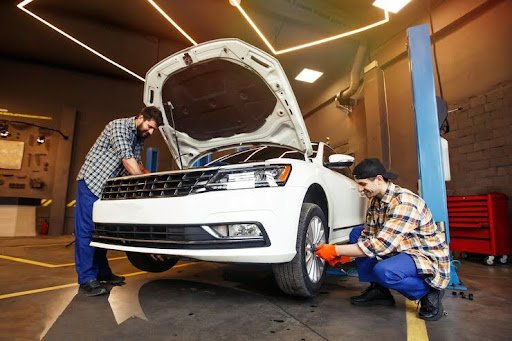
Many people assume car body repair involves fixing what they can see. In reality, it’s a mix of technology, engineering, and skill that goes way beyond just making cars look good.
What makes a great collision repair shop stand out from an ordinary one is how much knowledge they bring to every repair. Today’s vehicles come with complex safety features high-tech materials, and computerized systems. These advanced designs require professionals with specific skills. Knowing how the repair process works shows why picking the right shop is so important.
The Inspection Stage: More Than What You See
A trustworthy car body repair shop takes its time with assessments. Experts take a close look at:
- Visible damage includes panels, paint, glass, and trim.
- Hidden structural problems focus on the frame and any deeper damage.
- Electronic systems cover sensors, cameras, and safety tools.
- Diagnostic codes reveal faults flagged by computer systems after collisions.
A small bumper dent can conceal major problems that affect the entire vehicle structure. The diagnostic tools detect hidden problems which visual inspection cannot identify, including shifted sensors and broken wires and faulty airbags.
The repair estimate breaks down parts, steps, and realistic timelines. Skilled shops guide you explaining what needs fixing and what must be replaced.
Precision Repairs: Where Skill and Technology Come Together
Taking things apart often uncovers hidden damage. Skilled technicians can find small cracks bent frame rails, or weakened welds. These issues can lower a vehicle’s structural strength.
Fixing structural problems needs accuracy:
- Machines that straighten frames check alignment down to the millimeter
- Computers ensure measurements align with original factory specs
- Alignment is key for driving, tire condition, and safety in crashes
Auto repair shops today depend on advanced tools designed for specific car brands. Tesla-approved shops must use equipment for electric car repairs. High-end brands like BMW need original parts and exact welding methods. Investing in such equipment separates serious repair shops from quick low-quality ones.
Bodywork and Refinishing: Art Meets Precision
Becoming great at applying car paint takes years of practice. The steps in refinishing involve:
- Clean the surface and remove any dirt or contaminants
- Sand to help paint stick well
- Apply primer to cover the bare metal
- Use computerized spectrophotometers to match colors
- Spray the base coat with the right technique
- Add a clear coat to protect against UV rays and make it last longer
Each step depends on the completion of the previous step. The process requires all steps to be performed because any attempt to fast track work will lead to problems with color application and surface texture and premature paint peeling. Skilled auto body repair shops use special spray booths with controlled environments to keep conditions just right during painting.
Final Quality Checks
Shops take extra steps before handing the car back:
- They do diagnostic scans to confirm everything works
- Test drives help make sure the car drives straight and handles
- Close inspections ensure the paint looks good and panels are aligned
This sets great collision repair shops apart from average ones. Places that skip proper checks often deal with vehicles coming back due to unresolved problems.
What Makes Top-Notch Shops Stand Out
Three main things define quality in auto body shops:
- Certified experts – Skilled technicians who stay updated on new car technology through ongoing training
- Modern tools – High-tech equipment designed for precise, manufacturer-approved repairs
- Honest updates – Regular clear communication during the repair process
Your car is a big investment because it protects your family. The repair shop you trust affects how long the fix lasts and the car’s resale value and the safety features work. Pay attention to certifications and put trusted skill first.
Conclusion
Spectrum Auto Inc. has operated as a certified collision and auto body repair station in West Nyack New York for more than three decades. The company functions as a Tesla-approved collision center while maintaining I-CAR Gold Class certification. Their team of technicians also has I-CAR Platinum certification.
The shop offers services ranging from fixing dents without painting to rebuilding damaged frames. Nissan certification shows the company’s commitment to achieving high quality standards according to their established requirements. The company provides a lifetime warranty for their services which use original equipment manufacturer parts and adhere to factory guidelines. Spectrum Auto Inc. provides 24/7 towing services and works with insurance companies while keeping customers updated about their vehicle repairs.
FAQs
Q1. What sets structural auto body repair apart from cosmetic repair?
Structural repair fixes frame alignment and damage that affect how a car performs or protects passengers in a crash. The process of cosmetic repair addresses damages which include dents and paint scratches because they do not impact the car’s fundamental design.
Q2. Why must repair shops recalibrate safety systems after fixing collision damage?
Modern cars rely on sensors and cameras to power advanced features like automatic brakes. Even small repairs may knock these sensors out of place. Shops must recalibrate them to ensure they work as intended.
Q3. How do professionals match paint at an auto body shop?
Experts use computerized tools, like spectrophotometers, to check the car’s exact paint shade even accounting for fading. The system creates a custom paint formula, which they test on a sample before applying it to the vehicle.
Q4. What takes place in the disassembly step of auto body repair?
Technicians take out broken panels to find damage that is hidden behind the outer surfaces. This process uncovers structural problems faulty wiring, and other damaged parts that might not be seen during the first evaluation.
Q5. Why is precision important in frame measurements during collision fixes?
Exact measurements down to a millimeter make sure the car drives straight, tires wear , and crumple zones work . Even tiny alignment errors can hurt the car’s handling and safety features.