Consumer packaging’s sole, traditional purpose for decades was to keep the product safe in transit and to grab the consumer’s attention when he was shopping on a retail shelf. After the box was opened its purpose was complete and it was quickly thrown in the recycling. The traditional printing techniques with the use of ink, paperboard and structural design have mastered this protective and visual role.
Now, however, the modern marketplace requires something more. Consumers demand transparency, instant gratification and compelling brand stories, and businesses need real-time data and supply chain security. A quiet revolution is taking place on the assembly line to fulfill these needs. Smart Packaging is a new concept that combines traditional print design with digital technology to present an interactive medium in the form of a physical package.
The Passive to Active Media Evolution
Typically, smart packages can be classified as active packaging and intelligent packaging. Digital elements are embedded into the traditional printing method, making a box a more active cardboard component. It is a real communication instrument. This intersection is changing the way industries work, whether it’s for tracking pharmaceuticals’ temperature sensitivity or counterfeiting prevention for luxury cosmetics. It’s the way these technologies integrate into conventional printing processes that make them so spectacular.
Digital Gateways: QR Codes and Augmented Reality
The most convenient and quickly increasing smart packaging is high resolution codes that can be scanned. Simple barcodes have been used for years to keep tabs on products in the warehouse, but more sophisticated Quick Response (QR) codes and Data Matrix codes are upending consumer engagement.
Today, modern printing presses can now be used to put the unique, serialized QR code of each box (variable data printing or VDP). These codes have the ability to be scanned with a smartphone to instantly confirm product authenticity, show the exact farm it was sourced from or a personalized video message from the founder.
Taking it a step further, brands are utilizing Augmented Reality (AR). The consumer can simply scan a beautifully printed graphic on a box and watch the packaging come alive on their mobile phone screen. A cereal box turns into a game; a wine label tells the story of the vineyard with a 3D animated overlay. This integration extends the engagement consumers have with the actual package compared to traditional design, which helps to increase brand recall.
Bridges to the Digital Boutique – Success of a Digital Boutique
For high-end retail and boutique businesses, it’s all about the presentation. Brands work for months on design for feel in their containers among other things to balance paper weights and minimalistic layouts. The problem of smart packaging in the luxury sector has always been the lack of a “cluttered” and overly industrial look.
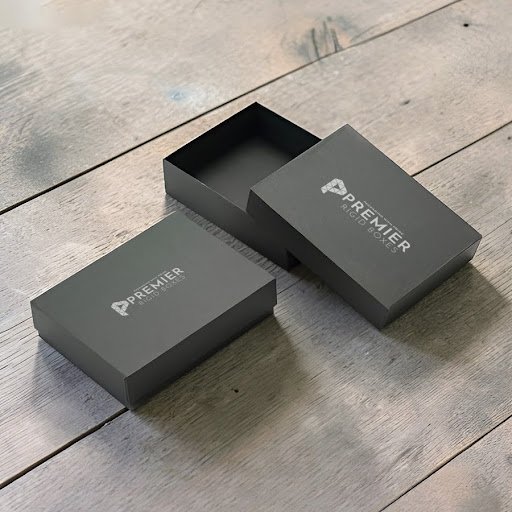
It’s been solved by modern innovation that places digital technology out there under the nose. High quality and special packaging, such as the premium boutique boxes for fashion and jewelry, now allows embedding of NFC chips directly between the layers of paperboard during the structuring manufacturing process.
The clean, elegant printed design is not disturbed by the chip’s presence as it is invisible. The customer just taps their phone to the side of the box, which immediately opens an exclusive digital portal. This may open a VIP customer service line or a digital certificate of authenticity or styling tips specific to the buy. It takes the one-to-one, attentive service of a traditional brick-and-mortar boutique into the customer’s living room, combining the finest print production quality with the latest digital convenience.
Intelligent Logistics: Printed Electronics and Smart Inks
But, with the convergence of print and tech, the two are also alleviating huge backend logistical problems. But in the field of printed electronics, engineers can use conductive inks of silver or carbon to print functional circuits, sensors and even micro-displays.
Smart sensors are printed onto the paper substrate, rather than gluing a large electronic plastic tag to a shipping carton. These sensors can be used to record important environmental parameters:
Temperature Indicators: Inks that will change color permanently when a food or pharmaceutical shipment is exposed to a temperature that is unsuitable for the food or medicine to be shipped.
Tamper Evidence: Printed circuits embedded in boxes that will break apart when opened, sending a digital signal immediately to a warehouse management system alerting someone that the package has been tampered with.
Freshness Sensors: smart labels that change colour when gas is emitted from the food, providing consumers with a true, real-time indication of the freshness of the product, much more than a printed “Best Buy” date.
Responsible Bridging: Sustainability Challenge
The packaging industry is facing a key dilemma as packaging gets smarter: What happens to the recycling stream if electronics are incorporated into paperboard? Putting standard batteries and silicon chips into a cardboard box can create electronic waste (e-waste) hazards.
That is creating amazing innovation in biodegradable and organic electronics. Researchers are making battery and sensors made of paper that use non-toxic, organic materials. Since the digital components are printed with water-based conductive inks, the entire package can be composted in a typical industrial compost or in a paper recycling process. Sustainability is key to the long-term acceptance of smart packaging by consumers and regulators.
Conclusion
The merging of print and digital is transforming the meaning of a tangible package. It shows that digital media is not a print replacement, but it is an enhancement.
Printed electronics are becoming more cost competitive and the use of scannable technology is becoming ubiquitous, so smart packaging will no longer be a luxury novelty but an industry standard. What will make the brands stand out in this new medium is the ability to master both and to look to beautiful, tactile print design to bring the human element in, combined with seamless digital integration to offer endless utility.