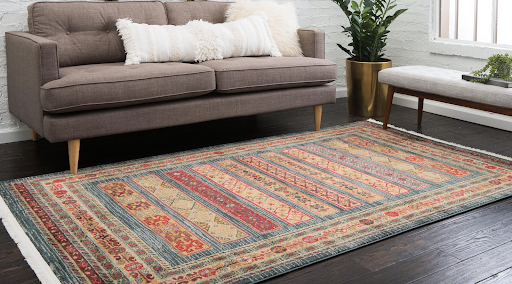
You spend a whole weekend fixing up your living room. Fresh paint, new cushions, maybe even rearranged the furniture. Then you roll out a rug and something feels completely wrong. The room looks off. Not bad exactly, just… awkward. That feeling? It is almost always the rug size.
Here is the thing nobody tells you at the store: rug size is probably the single most important decorating decision in any room. Get it right, and the whole space clicks into place. Get it wrong, and even expensive furniture starts looking cheap. The good news is, once you understand a few basic rules, it is not hard at all.This guide covers everything measurements, room types, furniture placement, shapes, and the mistakes most people make. Whether you are hunting deals online or walking into a local Rug Store for the first time, you will leave knowing exactly what size to look for.
- Why Rug Size Makes or Breaks a Room’s Look
Walk into any poorly decorated room and look down. Nine times out of ten, the rug is too small. It is sitting there like a little postage stamp in the middle of the floor while the furniture hovers around it looking lost and disconnected.
A rug that is properly sized does something almost magical. It pulls every piece of furniture together into one cohesive grouping. The sofa, the chairs, the coffee table — they all start to feel like they belong together rather than scattered around randomly.
Think about it like a picture frame. The frame does not need to be the most beautiful thing in the room. It just needs to hold everything together. That is exactly what the right rug does for your living space. Simple as that.
- Start With Your Room
Honestly, this is where most people go wrong. They fall in love with a pattern or a color, buy the rug, drag it home, and then realize it is way too small. Measure first. Always, always measure first.
Grab a tape measure and jot down your room’s length and width. Keep those numbers in your phone so you have them while shopping. Sounds obvious, but you would be surprised how many people skip this step entirely.
Now, here is a rule that professional decorators swear by: leave 18 to 24 inches of bare floor between the rug’s edge and the wall. That strip of exposed floor acts like a natural border. It frames the rug and makes the whole room feel intentional rather than accidental.
One more trick worth trying before you spend any money grab a roll of painter’s tape and outline the rug’s shape directly on your floor. Walk around it for a couple of days. Sit on the couch and look at it. Move through the space naturally. You will know pretty quickly if the size feels right or not.
3. Choose the Right Rug Size for Your Room Type
Not every room works the same way. A size that looks perfect in a living room might look ridiculous in a bedroom. Here is a simple breakdown by room:
Living Room: For most standard living rooms, 8×10 rugs are the sweet spot. They are big enough to anchor a full sofa and a couple of chairs without overwhelming the space. Got a larger open-plan area? Go up to a 9×12. Smaller apartment or studio? A 5×8 will do just fine.
Bedroom: The rug should peek out from under the bed on three sides — both sides and the foot. Roughly 18 to 24 inches on each side looks balanced and intentional. For a queen, that usually means an 8×10 minimum. King beds generally need a 9×12 to look proportionate.
Dining Room: This one trips people up constantly. Your rug needs to extend at least 24 inches past the table on every side. Why? Because when someone pulls their chair out to sit down, you want all four legs staying on the rug. Nothing looks worse than chair legs half-on, half-off the edge.
Entryway and Hallways: Runners rule here. Leave a few inches of floor visible on both sides and let the runner fill most of the length. It guides people through the space naturally and adds warmth without feeling cluttered.
4. How to Place Furniture on a Rug
Okay, so you have picked the right size. Now comes placement. There are three ways to position furniture on a rug, and each one gives a very different result.
All legs on the rug creates a very polished, formal look. Every piece sits completely on the rug, making the whole seating area feel contained and unified. Works best when you have a genuinely large room.
Front legs only is the most popular approach — and for good reason. Just the front two legs of each piece rest on the rug. It connects the furniture to the rug visually without needing an enormous surface area to pull it off.
No legs on the rug works occasionally in smaller rooms where the rug is more of a soft accent than a true anchor. It is a limited approach, honestly. Most designers only recommend it when space is genuinely tight.
5. Rug Shape The Decision Most People Never Think About
Everyone defaults to rectangular without even questioning it. But honestly, shape can completely transform a space in ways that size alone cannot.
Round rugs work incredibly well under circular dining tables. They also look stunning in reading corners or small sitting areas where a rectangle would feel too rigid. If your room has softer lines and curved furniture, a round rug can feel much more natural than a rectangle ever would.
Runners are not just for hallways either. They work well in galley kitchens, alongside a bed, or at the foot of a long sofa. Any seasoned Rug Store professional will point you toward a runner before you even think to ask. Do not overlook them.
6. Mistakes That Make Even Nice Rugs Look Wrong
Going too small this is the big one. Truly the most common mistake made by homeowners at every budget level. If you are unsure between two sizes, always go bigger.
Forgetting about door clearance is another sneaky problem. Before you commit to a size, open every door near the rug area and check that the rug does not block the swing. This one causes real daily frustration if you get it wrong.
Skipping the rug pad seems harmless but causes real issues. Pads grip the floor, protect your rug’s backing, and add just enough cushion to make the surface feel noticeably more comfortable underfoot. They also add a touch of thickness, so factor that in when measuring.
Mismatching pattern scales catches a lot of people off guard. A bold oversized pattern crammed into a tiny room feels suffocating. A delicate small-scale pattern in a huge space just disappears. Match the visual scale of the pattern to the actual scale of the room.
Final Thoughts
When you strip away all the advice, it really comes down to three things — measure your room properly, match the size to how that specific room works, and test your choice before committing. Whether you are going for classic 8×10 rugs in your main living area or a slim runner for a tight hallway, those three steps protect you every time.
A well-chosen rug does not just sit on the floor. It holds the whole room together. It makes people walk in and feel like the space was designed with actual thought and care. That impression is worth every bit of effort you put into getting the size right.
FAQs
Q1. What is the most popular rug size for a living room?
The 8×10 is the most popular size for living rooms. It fits most standard sofa setups comfortably and anchors the seating area without overwhelming the space.
Q2. How do I know if my rug is too small?
If your furniture legs are floating completely off the rug, it is too small. A properly sized rug should have at least the front legs of your sofa and chairs resting on it.
Q3. Should a rug be lighter or darker than the sofa?
There is no strict rule, but contrast usually works best. A light rug under a dark sofa adds balance, while a darker rug under lighter furniture adds warmth and grounding to the space.
Q4. Is it okay to put a rug on top of carpet?
Yes, absolutely. Just make sure the rug has a non-slip pad underneath and that the pattern and texture do not clash. A flat-weave rug tends to work better over carpet than a thick pile.